The Math Behind TKBaazi: How Game Mechanics Actually Work
The Math Behind TKBaazi: How Game Mechanics Actually Work You've deposited 500 taka via bKash. The lobby loads. You pick a slot. You hit spin. The reels blur. Then — clatter. What just happened is mor...

The Math Behind TKBaazi: How Game Mechanics Actually Work
You've deposited 500 taka via bKash. The lobby loads. You pick a slot. You hit spin. The reels blur. Then — clatter.
What just happened is more interesting than most players realize. Every game on TKBaazi runs on a system of rules that determines how often you win, how big the wins feel, and how long your balance lasts. This isn't marketing language — it's applied mathematics. Understanding how these mechanics work is the difference between playing randomly and playing with a strategy.
TKBaazi Bangladesh is a fast-emerging iGaming platform that brings together sports betting, casino games, slots, crash games, and local payment support in one place for players across Bangladesh. What follows is a technical breakdown of how the core game systems actually operate — written as a consumer advocate with real numbers and honest context.
Photo by Waskyria Miranda on Pexels
The RNG Engine: How Slot Games Actually Work
The word "random" gets used constantly in online casino descriptions, but it's incomplete. Modern slots — including every version on TKBaazi — run on a Pseudorandom Number Generator (PRNG). This is a deterministic algorithm seeded by a value drawn from the operating environment's entropy source. The output determines where each reel stops.
Because PRNGs operate in nanosecond intervals, the exact moment you press "spin" determines your outcome. No one — not the casino, not the dealer, not the platform — can reverse-engineer what the next seed will be. This is why the games are fair: every result is independent and unpredictable in practice.
The RNG produces a number for each reel position. Those values map to a symbol table with weighted distributions. Common symbols appear more frequently; rare symbols trigger bigger payouts but show up far less often. This weighted system is the house edge in action.
In the iGaming world, Return to Player (RTP) is the metric that tells you how much a game returns over time. If a slot lists 96.5% RTP, the system retains 3.5% on average across infinite plays. This doesn't mean you lose exactly 3.5% of every deposit — the math plays out over hundreds of thousands of spins. It means that over time, the game is mathematically structured to retain a defined percentage.
Variance is the second axis. High-variance slots cluster big wins into rare, dramatic moments — bonus rounds, respins, multiplier surges. Low-variance slots spread wins more evenly, keeping sessions alive longer. Choosing a game based on RTP and variance together is more strategic than chasing bonus descriptions.
Live Dealer Games: Real Decisions, Real Pace
Slots are fast and self-contained, but live dealer experiences on TKBaazi operate differently. A real human dealer runs a physical table streamed to your device, while game logic handles cards, bets, and results in real time. The distinction is important: you're watching an actual card draw unfold, not just processing a number.
The dealers rotate. Multiple shoe decks are used and reshuffled periodically to prevent card counting — a practice that doesn't work against digital shuffling in any case. So the deck is always random within any given shoe.
Blackjack odds are predictable once you understand the rules. With optimal strategy, the house edge drops to roughly 0.5% — one of the lowest margins available on the platform. Roulette operates differently. European wheels (single zero) carry a 2.7% house edge. American wheels (zero + double zero) carry 5.26%. The difference is not marginal. Picking the right table matters.
Baccarat is the simplest live game to understand. Player, banker, or tie — three outcomes. Banker wins roughly 45.8% of the time; player wins about 44.6%. The casino takes a small commission on banker wins. The game is straightforward and the odds are better than most people expect, which is why experienced players gravitate toward it.
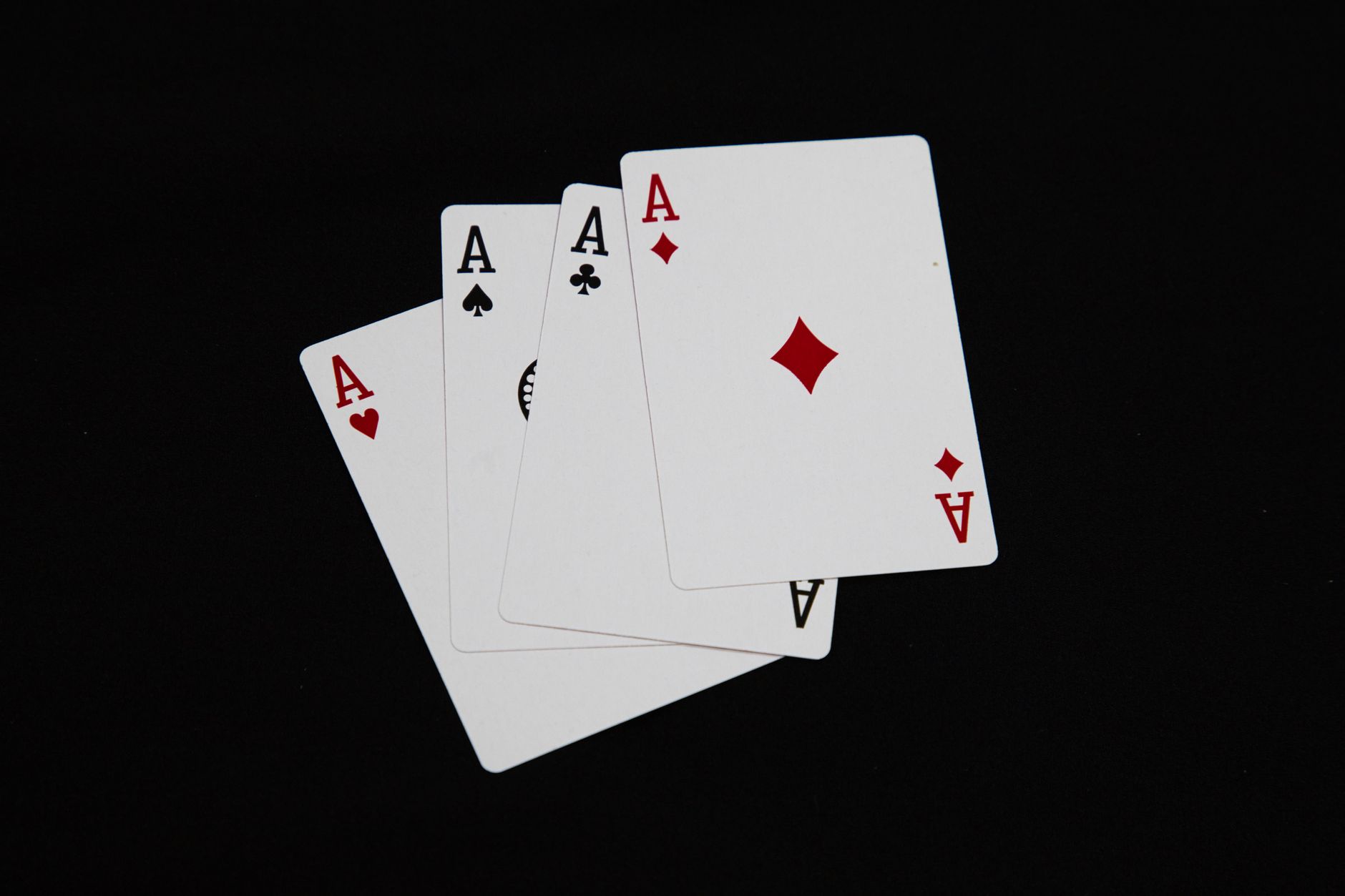
Photo by Tony Wu on Pexels
Crash Games: The Multiplier Engine
Crash games are a newer format that has gained serious traction on TKBaazi — particularly during cricket seasons when more players explore slots that aren't traditional casino games.
The core mechanic is clean: a multiplier climbs from 1.00x upward. At any moment, the round crashes — the multiplier resets to zero and all active bets are lost. Players must cash out before the crash to lock in their stake multiplied by the displayed value.
Here's the part most players miss: the crash point isn't random in the naive sense. The multiplier curve is generated by a house-edge-weighted algorithm. Lower multipliers (1.1x, 1.5x, 2x) are statistically more likely. Higher multipliers (5x, 10x, 20x) are exponentially rarer — the platform needs to sustain those rounds without paying out massive multipliers on every cycle.
Crash game systems on TKBaazi use hash-verified algorithms to determine round outcomes. The hash of each round's crash point is published after the round closes, so players can verify retroactively that no manipulation occurred. This is a transparency feature that serious platforms have adopted industry-wide.
The critical takeaway for players: no pattern strategy works on crash games. The crash point is sealed until the round begins. Any tool or signal claiming to predict crashes is mathematically false. Bet conservatively, set personal cash-out targets, and avoid escalating bet sizes after losses.
Photo by Joe Ng on Pexels
Sports Betting: Reading the Odds Engine
TKBaazi Bangladesh includes a sportsbook built around cricket, football, and major international markets. If you're someone who follows cricket closely, sports betting is the category where knowledge actually moves the needle.
Odds are a representation of implied probability. When a cricket match shows Team A at 1.72 and Team B at 2.10 in decimal format, those numbers embed the bookmaker's margin. If both outcomes were equally likely, both odds would be 2.00. The gap below 2.00 on both sides is the margin — typically 4–8% depending on market depth.
For cricket betting specifically, understanding team form, pitch behavior, head-to-head records, and weather conditions gives you information the initial odds may not fully reflect. This is where genuine insight creates real expected value — not by beating the bookmaker on obvious markets, but by identifying situations where the odds underprice a probable outcome.
Parlays are attractive because they multiply odds, but each leg added to a parlay multiplies the bookmaker's margin along with the potential payout. A three-leg parlay at combined odds of 5.0 might look generous, but if each leg carries a 5% margin, the effective margin compounds to roughly 14%. Understanding this changes how you approach accumulator bets.

Photo by Pavel Danilyuk on Pexels
Platform Infrastructure: Payment Systems and Game Fairness
TKBaazi supports bKash, Nagad, Rocket, and bank transfer for deposits and withdrawals. Funds typically process within minutes for deposits. Withdrawal processing depends on internal review cycles — a standard practice across regulated-adjacent platforms in this market.
The game lobby architecture uses lazy loading to render game tiles only as they scroll into view. This keeps the interface responsive even on lower-bandwidth connections, which is a real practical concern for mobile users in Bangladesh.
Every transaction, bet, and game result is logged with timestamps on the backend. If you ever need to query a specific round outcome, the system preserves records for audit purposes. For players managing their activity, session timers and deposit limits are available in the account settings — tools that help you play within boundaries you set.

Photo by Pavel Danilyuk on Pexels
FAQ: Technical Questions About TKBaazi Game Mechanics
How do TKBaazi game mechanics compare with platforms like Jeetbuzz and Mostplay?
TKBaazi's live dealer infrastructure, crash game hash verification, and sportsbook odds engine are comparable in structure to what's offered on platforms like Jeetbuzz and Mostplay. The meaningful difference is in breadth: TKBaazi combines a deeper sports betting menu with a wider casino game variety, making it a better fit for players who want both in one session.
How should I interpret RTP when choosing a slot on TKBaazi?
RTP tells you the long-run theoretical return of a game. A slot at 96.0% returns 96 units per 100 wagered over time. Individual sessions can deviate significantly — a player can go well above or below the stated RTP in any single session. Use RTP as a comparative tool between games, not as a session outcome predictor. Combine it with variance awareness: high-RTP, high-variance slots have large potential but wider swings.
Are crash game crash points predictable?
No. Crash points are determined by a cryptographic hash system. The hash of each round's result is sealed before the round begins and revealed after it closes. The system is designed to make reverse-engineering mathematically impossible. Any tool or signal claiming to predict crashes does not work against a properly implemented crash game system.
Do sports betting odds on TKBaazi differ significantly from other Bangladesh platforms?
Odds vary between platforms based on margin depth and market coverage. For major cricket events, TKBaazi typically posts odds within the industry median. For niche markets and smaller leagues, the gap between platforms can be wider. Comparing odds across a few platforms before placing large bets is sound practice for any serious sports bettor.
TKBaazi Bangladesh stands out against Crickex on variety — sports and casino together, not sports alone — and holds its own against MCW Casino on navigation clarity and local payment depth. The crash game hash system, live dealer stream setup, and sportsbook odds engine are the platform's genuine technical differentiators. For players who care about understanding what they're playing, those are the right things to examine.
Thank you for reading.
TKBaazi
High-Stakes Editorial · Premium Insights